
Rev. Frederick A. Bisbee, D.D.
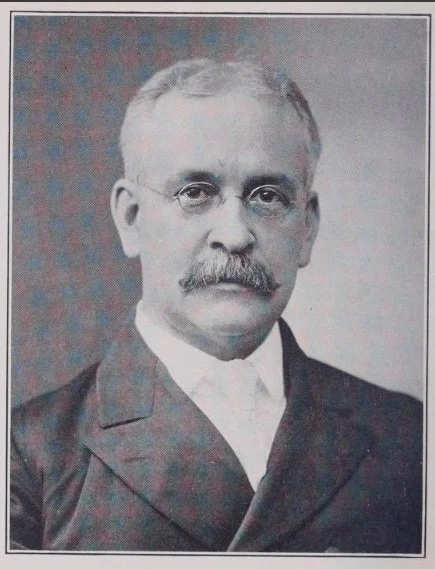
Above: Rev. Frederick A. Bisbee, D.D. Image source: Handicapped…, Hall, 1925, Internet Archive
From: Arlington Heights, Massachusetts
His work: Editor of the Universalist Leader, Universalist minister
Subjects at Longwood: cooperation among denominations; religion as service.
Rev. Bisbee conducted the opening religious service the Longwood meeting. On the second day he argued that religious unity should preserve the integrity of individual denominations while bringing them together for education, fellowship, and service.
He opposed treating church union principally as a way to reduce expenses and presented a statement affirming fellowship grounded in shared moral purposes.
Rev. Frederick H. Lynch, D.D.
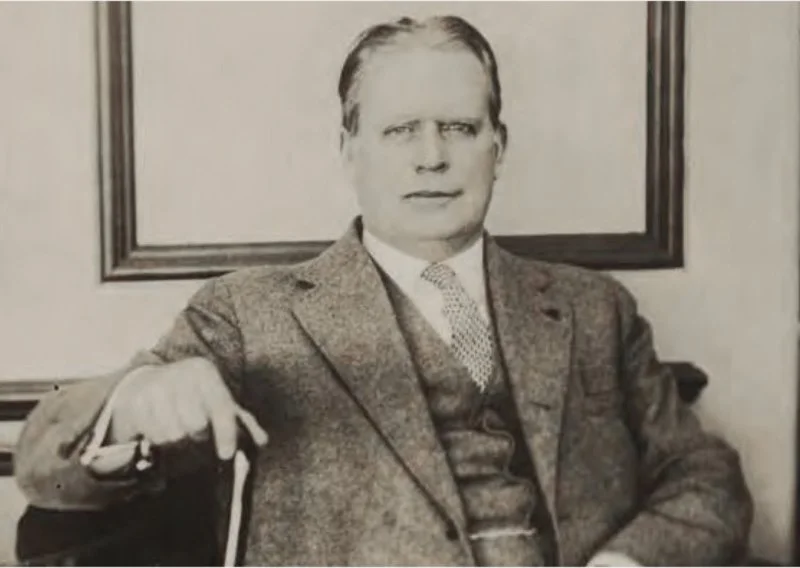
Above: Rev. Frederick H. Lynch, D.D. Image source: Internet Archive
From: New York City
His work: Editor-in-Chief of The Christian Work, Founder of the World Alliance for International Friendship.
Subjects at Longwood: Reasons for supporting the proposed League of Nations; disarmament; international cooperation; the responsibilities of religious people.
At Longwood, Rev. Lynch urged support for the proposed League of Nations. The League was the first worldwide intergovernmental organisation created to maintain world peace. Drawing on his experience in Paris, he criticized inadequate democratic representation and insufficient disarmament. He called on religious people to prevent the League from becoming an instrument of domination and to work toward equal participation.
Dr. Leslie Pinckney Hill
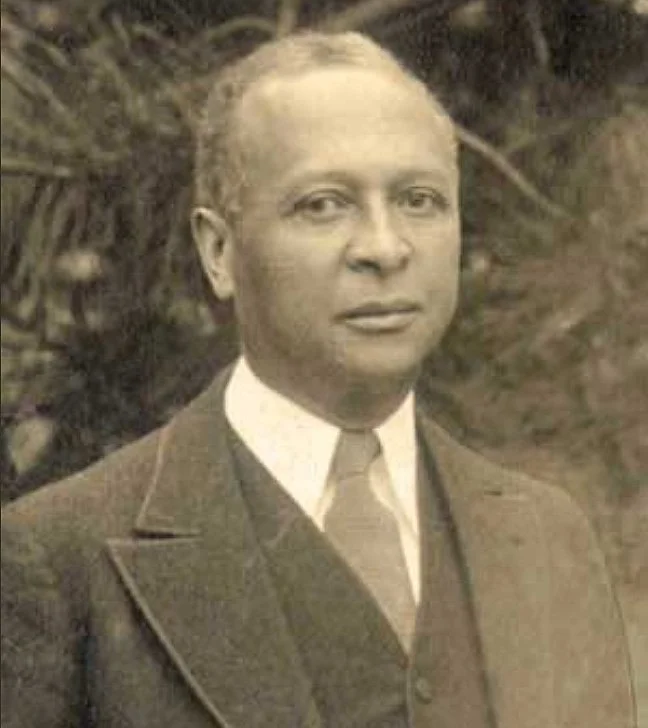
Above: Dr. Leslie Pinckney Hill. Image source: Vintage Art Times
From: Cheney, Pennsylvania
His work: President of Cheyney University, America's first historically Black college or university.
Subjects at Longwood: Loyalty to ideals; African American idealism; truth, justice, and humanity.
The principal of the Cheyney School for Teachers (later Cheyney University) spoke under the program heading “To Ideals.” His address was as an advocacy of African Americans, emphasizing their commitment to truth, justice, and humanity despite the injustices they had experienced.
Rev. Anna Garlin Spencer
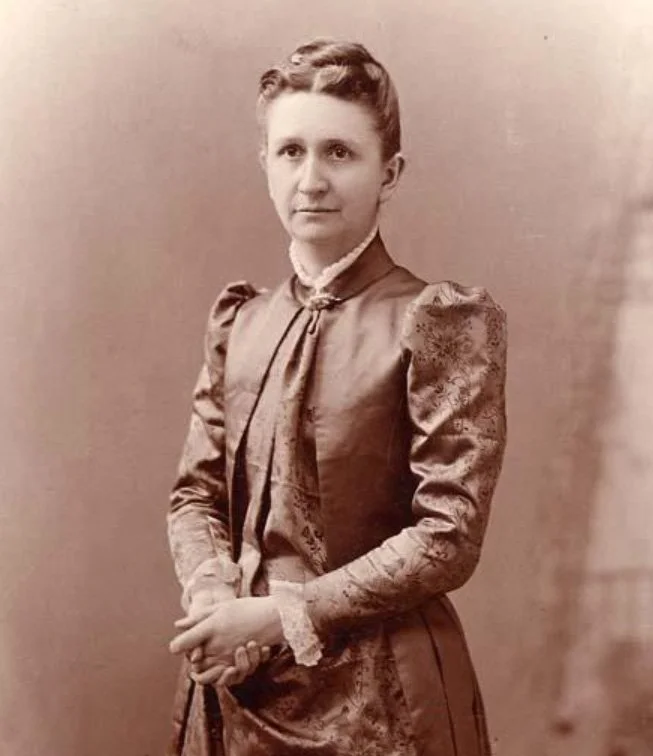
Above: Rev. Anna Garlin Spencer. Image source: Harvard Divinity School
From: White Plains, New York
Her work: Unitarian minister, Chairman of Women's International League for Peace and Freedom.
Subjects at Longwood: Support for the League of Nations, Memorial tribute to Frederick A. Hinckley.
Rev. Spencer's address at upheld the ideals of family life under the program heading “To Family and Home.” She also offered the resolution supporting the League of Nations Covenant as a step toward replacing war with law and international cooperation. She presided over the Hinckley memorial service and delivered a tribute.
Samuel A. Eliot
Jesse H. Holmes
Paul M. Pearson
Emerson P. Harris
Raymond T. Bye
John Clarence Lee
Morris Jastrow Jr.
Franklin C. Southworth
Frank H. Burt
Charles W. Wendte
Elizabeth Powell Bond
Mrs. C. A. Hannam
Henry Berkowitz
Rabbi of Philadelphia's Temple Rodeph Shalom
Subjects: A world league of religions; freedom of worship; protection of persecuted peoples.
Gilbert Reid
1. Frederick A. Bisbee
Opening Religious Service
2. Frederick Lynch
The League of Nations, Peace, and International Cooperation
3. Leslie Pinckney Hill
“To the Ideal”
4. Anna Garlin Spencer
“To Family and Home”
5. Samuel A. Eliot
“To the Nation”
6. Jesse H. Holmes
“To the Brotherhood of Man”
7. Paul M. Pearson
“To One’s Own Conscience”
8. Emerson P. Harris
“The Co-operative Movement” and Social-Economic Reconstruction
9. Raymond T. Bye
“Social Forces of a New World”
10. John Clarence Lee
“The Religious Rebirth of the Nation”
11. Morris Jastrow, Jr.
International Obligations and the League of Nations
12. Franklin C. Southworth
“The Nature and Possibilities of Interdenominational Fellowship”
13. Frank H. Burt
Interdenominational Fellowship and Longwood’s Reform Heritage
14. Charles W. Wendte
Religious Service and “Is a Universal Religion Possible?”
15. Elizabeth Powell Bond
Memorial Tribute to Frederick A. Hinckley
16. Mrs. C. A. Hannam
Memorial Tribute to Frederick A. Hinckley
17. Henry Berkowitz
“A World League of Religions”
18. Gilbert Reid
“The Shanghai Conference of World-Religions”
Speakers at Longwood, May 31 and June 1, 1919
A World League of Nations and Religions
Ninth Congress of the National Federation of Religious Liberals
At the invitation of the Society of Progressive Friends, the National Federation of Religious Liberals held its ninth congress at Longwood Meetinghouse on May 31 and June 1, 1919. Speakers considered the League of Nations, peace, racial equality, conscience, family life, economic reform, and cooperation among religious traditions. A memorial service honored Frederick A. Hinckley, who had served as chairman of the Longwood Progressive Friends for twenty-nine years.
This directory includes all 18 named people identified as speaking in the published program and reports, including memorial tributes, resolutions, devotional leadership, and closing remarks. The volume also mentions unnamed memorial contributors. Summaries below describe the reported subjects; they are not transcripts.
About the portraits: The 11 portraits below are identified by their sources as the named speakers. They come from different years and are not presented as photographs taken at the 1919 meeting. No portrait is included where the identity could not be verified.
Speakers and subjects
1. Henry Berkowitz

Date: June 1, afternoon.
Subjects: A world league of religions; freedom of worship; protection of persecuted peoples.
The rabbi of Philadelphia's Temple Rodeph Shalom advocated international religious cooperation and freedom of worship. He presented resolutions protesting persecution, expressing solidarity with oppressed people of all faiths, and seeking a religious-liberty provision in the League of Nations Covenant and the treaties governing new or enlarged states. The resolutions addressed the suffering of Armenians, Transylvanians and other Christians, Koreans, Jews in Eastern lands, and others.
Sources: printed pp. 14, 19-20, 25, 29.
2. Frederick A. Bisbee

Dates: May 31 and June 1.
Subjects: The nature and possibilities of interdenominational fellowship; cooperation among denominations; religion as service.
The editor of the Universalist Leader conducted the opening religious service on May 31. On Sunday morning he argued that religious unity should preserve the integrity of individual denominations while bringing them together for education, inspiration, fellowship, and service. He opposed treating church union principally as a way to reduce expenses and presented a statement affirming fellowship grounded in shared moral purposes.
Sources: printed pp. 13, 18, 24-25, 28, 47-51.
3. Elizabeth Powell Bond

Date: June 1, morning memorial service.
Subject: Memorial tribute to Frederick A. Hinckley.
The former dean of Swarthmore College spoke in remembrance of Hinckley's life and service to the Longwood Progressive Friends. The reports identify her as a memorial speaker but do not reproduce her tribute.
Sources: printed pp. 13, 25, 28-29, 32-33.
4. Frank H. Burt
Date: June 1.
Subjects: Religious fellowship; Longwood's antislavery heritage; Frederick A. Hinckley's legacy; thanks to the hosts.
Burt moved adoption of the statement on interdenominational fellowship. In his closing remarks he reflected on Longwood's history as a center of opposition to slavery, quoted Whittier's The Golden Wedding of Longwood, and discussed his family's connections with the Free Congregational Society of Florence, Massachusetts, and with Hinckley, Bond, and Spencer. He thanked the Progressive Friends and the arrangements committee, specifically recognizing Josephine Pennock's work.
Sources: printed pp. 25, 32-34.
5. Raymond H. Bye
Date: May 31.
Subject: “Social Forces of a New World.”
Bye addressed social and economic reorganization after World War I. His address formed part of the congress's consideration of the national tasks ahead. The volume names his subject and confirms that he spoke, but does not print the address or provide a detailed account of his individual arguments.
Sources: printed pp. 11, 23, 28.
6. Samuel A. Eliot

Date: May 31.
Subject: Loyalty to the nation.
The president of the American Unitarian Association spoke on loyalty to country and nationality. The program placed his address within “The Supreme Loyalties.” The Universalist Leader report associated his afternoon appearance with the broader discussion of national and international relations.
Sources: printed pp. 8, 21, 28.
7. Mrs. C. A. Hannam
Date: June 1, morning memorial service.
Subject: Memorial tribute to Frederick A. Hinckley.
Hannam was one of the people who spoke in remembrance of Hinckley. Her name appears in the report although she was not individually named in the printed program. The proceedings identify her only as “Mrs. C. A. Hannam” and do not reproduce her remarks.
Source: printed p. 25.
8. Emerson P. Harris
Date: May 31.
Subject: “The Co-operative Movement.”
Harris, of Montclair, New Jersey, discussed the advantages of the cooperative movement as an economic reform. His address belonged to the discussion of the nation's social and economic reorganization. The proceedings summarize its general purpose without reproducing his paper.
Sources: printed pp. 11, 23, 28.
9. Leslie Pinckney Hill

Date: May 31.
Subjects: Loyalty to ideals; African American idealism; truth, justice, and humanity.
The principal of the Cheyney School for Teachers spoke under the program heading “To Ideals.” The meeting report describes his address as an advocacy of African Americans, emphasizing their commitment to truth, justice, and humanity despite the injustices they had experienced.
Sources: printed pp. 7, 20-21, 28.
10. Jesse H. Holmes
Dates: May 31 and June 1.
Subjects: Human brotherhood; racial equality; fellowship among world religions.
The Swarthmore professor and president of the Federation presided over the congress. The program assigned him “To the Brotherhood of Man” on Saturday. He offered a resolution condemning race prejudice and affirming equal rights without distinction of race, color, or other circumstances of birth. A report also specifically identifies him as a speaker in Sunday's closing session on “The Sympathy of World Religions,” although it gives no separate title or summary for that address.
Sources: printed pp. 9, 18, 21, 28-29.
11. Morris Jastrow, Jr.


Date: May 31, afternoon.
Subject: “Our International Obligations” and a world league of peace.
The University of Pennsylvania professor examined whether the postwar settlement would advance democracy and international responsibility. He criticized narrow national interests and the danger of a League dominated by powerful governments, while supporting the League as an imperfect beginning that could be improved. He defended continued work toward international cooperation and discussed President Woodrow Wilson's Fourteen Points.
Sources: printed pp. 12, 18, 28, 64-77.
12. John Clarence Lee

Date: May 31.
Subject: “The Religious Rebirth of the Nation.”
The minister of Philadelphia's Church of the Restoration addressed the religious renewal demanded by the postwar moment. The meeting report characterizes his contribution as a thoughtful discussion of religion's needed rebirth, but the volume does not reproduce the address.
Sources: printed pp. 12, 24, 28.
13. Frederick Lynch
Date: May 31, opening address.
Subjects: Reasons for supporting the proposed League of Nations; disarmament; international cooperation; the responsibilities of religious people.
The editor of Christian Work and secretary of the Church Peace Union urged support for the League despite its weaknesses. Drawing on his experience in Paris, he criticized inadequate democratic representation, insufficient disarmament, and the exclusion of some nations. He called on religious people to prevent the League from becoming an instrument of domination and to work toward equal participation. He also defended collective force to restrain an aggressive nation.
Sources: printed pp. 7, 9-10, 18, 28, 52-63. A program footnote records that Lynch and Pearson exchanged speaking slots.
14. Paul M. Pearson

.jpg)
Date: May 31.
Subject: Loyalty to one's own conscience.
The Swarthmore professor spoke on the supremacy of individual conscience. Jastrow's later address also refers to Pearson's use of Abraham Lincoln as an example of achieving change one step at a time. Although the printed program initially placed Pearson in the morning, a footnote states that he exchanged places with Lynch.
Sources: printed pp. 7, 20, 28, 74. Jastrow's text spells his surname “Pierson”; the program and reports use “Pearson.”
15. Gilbert Reid
Date: June 1, afternoon.
Subject: “The Shanghai Conferences of World-Religions.”
The director of the International Institute of China described interreligious conferences in Shanghai involving teachers from approximately a dozen faith traditions. His address offered an example of practical cooperation and discussion among different religions.
Sources: printed pp. 14, 25, 29.
16. Franklin C. Southworth

Date: June 1, morning.
Subject: “The Nature and Possibilities of Interdenominational Fellowship.”
The president of Meadville Theological School argued that religious fellowship should rest on shared moral aspirations, service, and mutual respect. He opposed sectarian exclusion and rejected plans for unity that required a denomination to surrender its convictions or identity. He urged churches to cooperate while respecting differences of belief and worship. The secretary's report also refers to this address as “The True Basis of Interdenominational Fellowship.”
Sources: printed pp. 13, 16, 24, 28, 35-46.
17. Anna Garlin Spencer

Dates: May 31 and June 1.
Subjects: Loyalty to family and home; support for the League of Nations; memorial tribute to Frederick A. Hinckley.
Spencer's Saturday address upheld the ideals of family life under the program heading “To Family and Home.” She also offered the resolution supporting the League of Nations Covenant as a step toward replacing war with law and international cooperation. On Sunday morning she presided over the Hinckley memorial service and delivered a tribute.
Sources: printed pp. 8, 13, 18-19, 21, 25, 28-29, 32-33.
18. Charles W. Wendte

Dates: Contributions reported across the congress; principal address June 1, afternoon.
Subjects: “Is a Universal Religion Possible?”; religious fellowship; peace and social reform; Hinckley memorial service; Longwood's influence.
The Federation's secretary spoke in the closing session on the possibility of a universal religion. He also presented testimonies calling for disarmament, opposition to militarism and compulsory military training, constructive public service, release of political prisoners not proven guilty of overt crimes, equal suffrage, prohibition, prison reform, and immigration policies without racial discrimination, although the immigration statement also endorsed limits based on assimilation. On Sunday he conducted the memorial religious service. In the closing acknowledgments he spoke briefly about the reach of Longwood's influence and put Burt's resolution of thanks to a vote. His administrative and financial reports are printed, but the volume does not clearly establish that they were delivered orally.
Sources: printed pp. 14-17, 20-23, 25, 29, 34.
Other contributions recorded
Unnamed memorial speakers, June 1: The accounts say that “other friends” also paid tribute to Frederick A. Hinckley. Their names, number, and individual remarks are not supplied. They are additional to the named memorial speakers above. Sources: printed pp. 13, 25, 28-29.
Mrs. William Hagans, musical contributor: Hagans, of Kennett, sang during the gathering. The Universalist Leader specifically describes vocal music with zither accompaniment at Sunday's memorial service. The reports do not identify the songs she performed or name a separate accompanist. She is not counted among the 18 speakers. Sources: printed pp. 26, 29.
Dr. K. Kohler, telegram contributor: The president of Hebrew Union College sent greetings emphasizing friendship, fellowship, and mutual understanding instead of uniform religious belief. The secretary read the telegram. This is a contribution by message, not evidence that Kohler attended or spoke in person. Source: printed p. 20.
John Haynes Holmes, later correspondence: His congratulatory letter to Wendte, dated June 18, 1919, is printed in the volume. It is not a conference speech. He should not be confused with congress president Jesse H. Holmes. Source: printed p. 32.
Notes on the record
The secretary describes this volume as a partial report. It contains a program, retrospective reports, resolutions, closing remarks, and four extended addresses. It does not preserve the full text of every contribution.
The program and reports differ over the order and timing of some Saturday addresses. The footnote on p. 7 records that Lynch and Pearson exchanged slots. The Universalist Leader report on p. 28 also places some speakers differently from the program and the Christian Register account. The directory therefore gives dates without assigning a morning or afternoon to every Saturday speaker.
The report on p. 27 says that one announced speaker was replaced by a substitute but does not identify either person in that statement. Their identities cannot be supplied from that passage, and it cannot establish an additional distinct named speaker.
A separate meeting arranged by the Friends on the preceding day is mentioned on p. 27. That reference supplies no speaker list or subjects. This directory covers the documented congress of May 31 and June 1.
Source
National Federation of Religious Liberals. A World League of Nations and Religions: Ninth Congress of the National Federation of Religious Liberals at Longwood, Pa., May 31 and June 1, 1919. Proceedings and Papers. 1919.
The speaker directory was compiled from the matching Internet Archive scan because the HathiTrust page images were inaccessible during this review. Page references above are the publication's printed page numbers.
HathiTrust copy | Internet Archive copy examined | Download the source PDF