
1947: British and American Quakers
Awarded the Nobel Peace Prize:
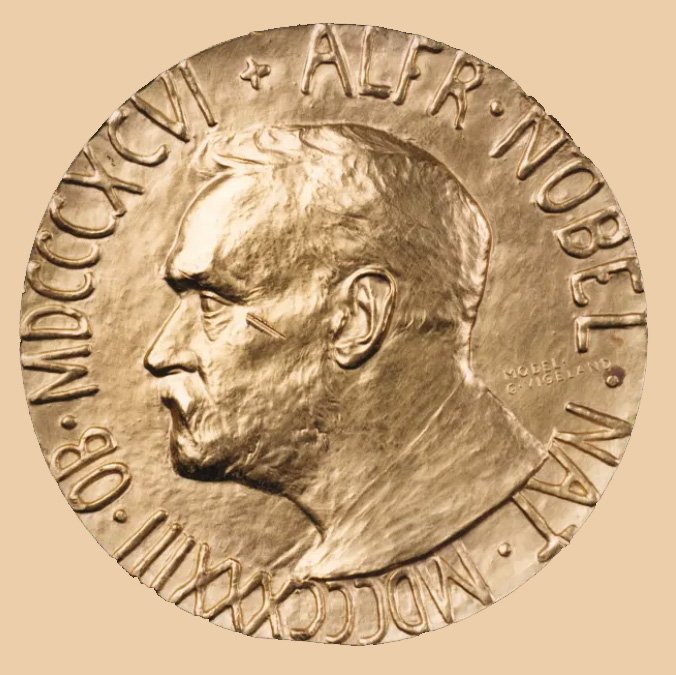
Image source: Quakerstrongrooms
In 1947, two Quaker organizations jointly received the Nobel Peace Prize: the British Friends Service Council and the American Friends Service Committee. This date was also the 300th anniversary of the Quaker movement. The Nobel Committee chose these Quaker groups to honor three centuries of nonviolence, pacifism, and tireless humanitarian work.
After the destruction of World War II, Quaker volunteers built a reputation for providing compassionate aid to victims of war, without regard to race, nationality, or political alignment. Quaker relief efforts ranged from feeding starving children to helping rebuild war-torn European communities. Quaker humanitarian work continues today.
British and American Quakers
Receiving the 1947 Peace Prize:
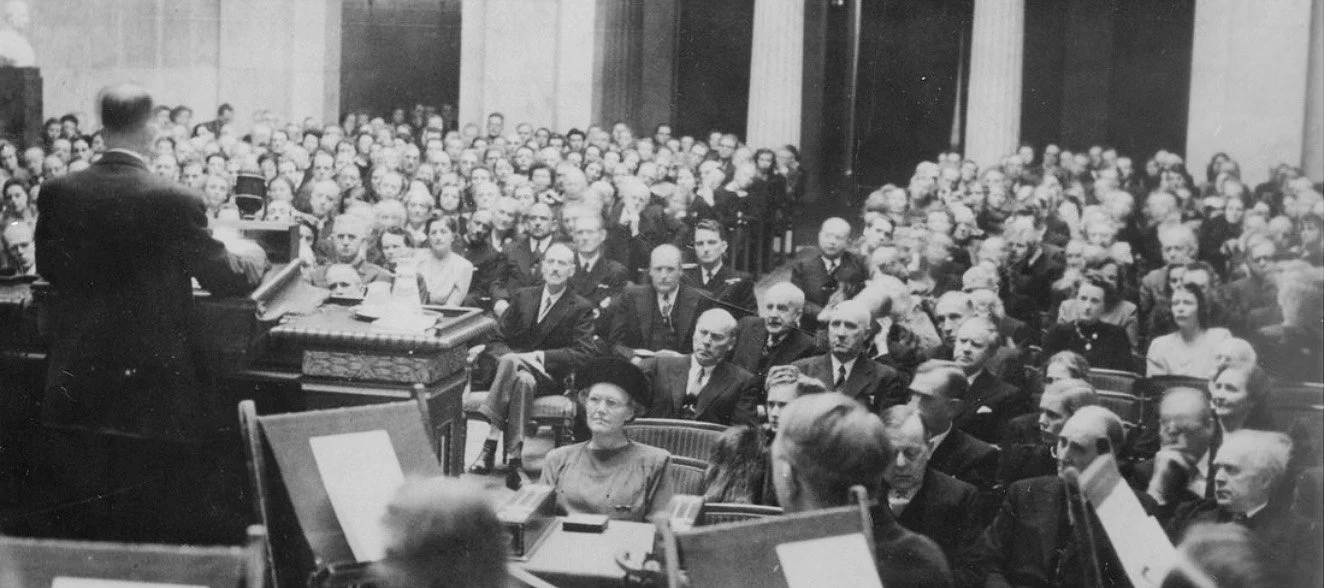
Above: Representatives of the British Friends Service Council and the American Friends Service Committee at the 1947 Nobel Peace Prize ceremony. Image source: American Friends Service Committee
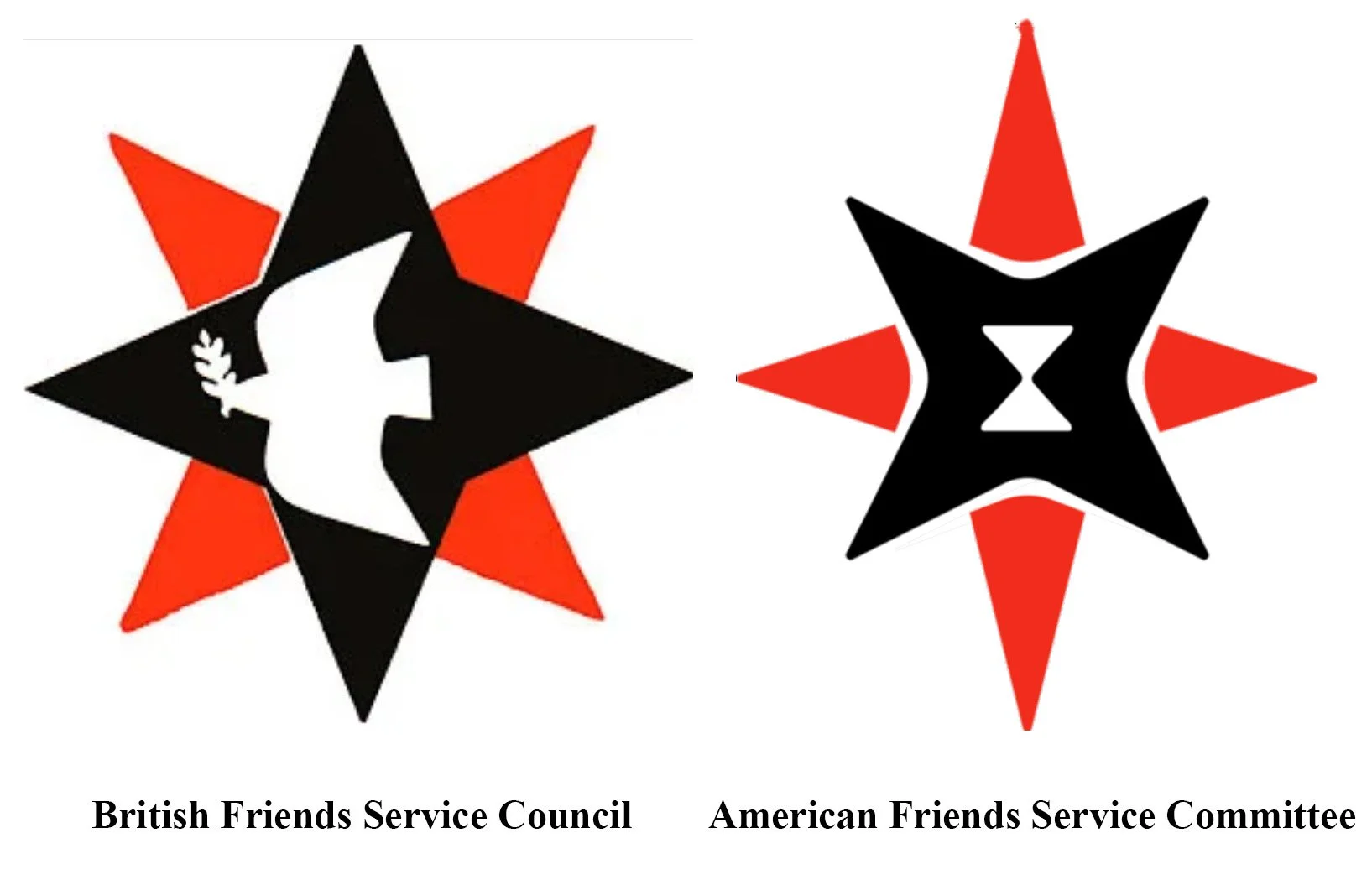
Above: Logos of the two Quaker service organizations that jointly received the 1947 Nobel Peace Prize. Image sources: NobelPrize.org, American Friends Service Committee.
Quaker Ambulance Unit in World War I:
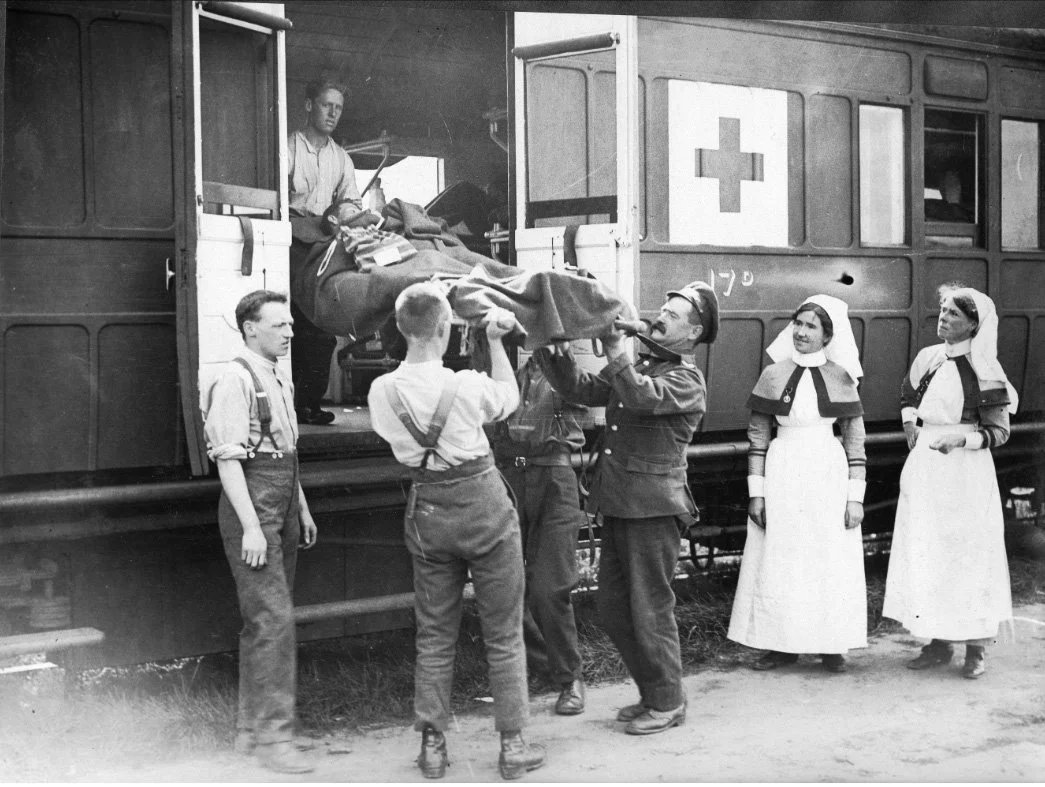
Above: During World War I, rather than participate in killing, many Quakers chose to serve by saving lives. They acted on their conscience and volunteered with the Friends Ambulance Unit.
After Britain introduced conscription through the Military Service Act of 1916, they were among thousands of men who sought exemption from military service on conscientious grounds. Many received exemption because of their service with the FAU. Image source: Quakers in Britain
Quakers, Mennonites, and Brethren
Created Civilian Public Service
During World War II:
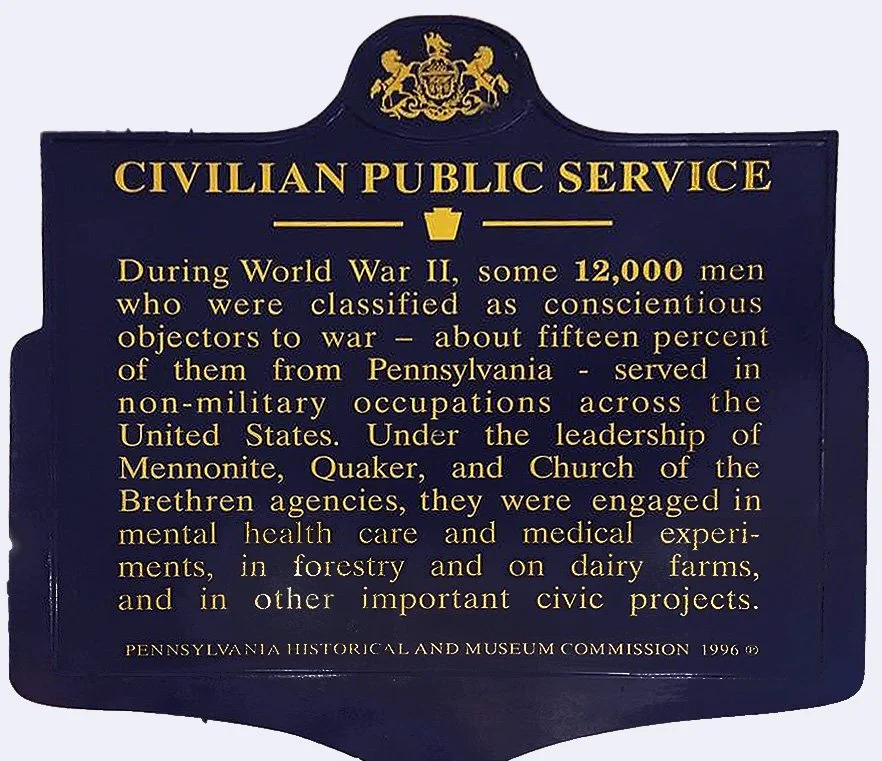
Above: During World War II, approximately 12,000 conscientious objectors served in Civilian Public Service camps. A majority of these young men were farmers. Mennonites comprised the largest single denominational group, followed in numbers by the Church of the Brethren, Quakers, and Methodists. Image source: Pennsbury Manor
Anti-War Peace Church Men
Volunteered for Medical Experiments
During World War II:
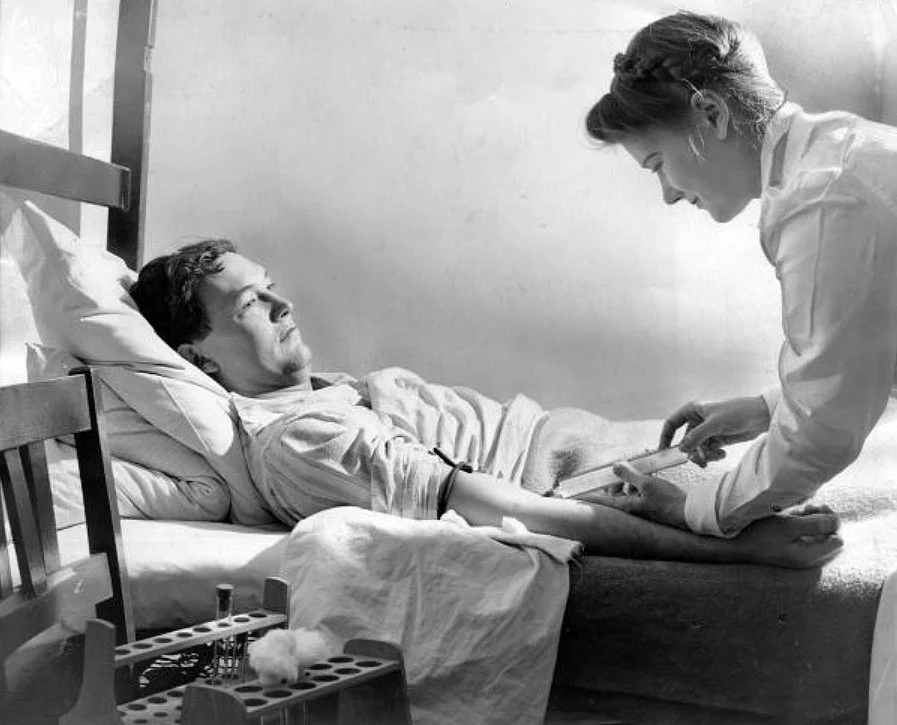
Above: During World War II, conscientous objectors voluntarily served as human guinea pigs, including contracting hepatitis for an Army study of jaundice undertaken at the University of Pennsylvania.
In this photo from 1945, a former Yale Law School student who contracted hepatitis for the sake of science has blood drawn from his arm at a CPS clinic set up in a fraternity house at the University of Pennsylvania. Image source: Temple University, Urban Archives.
Civilian Public Service during World War II
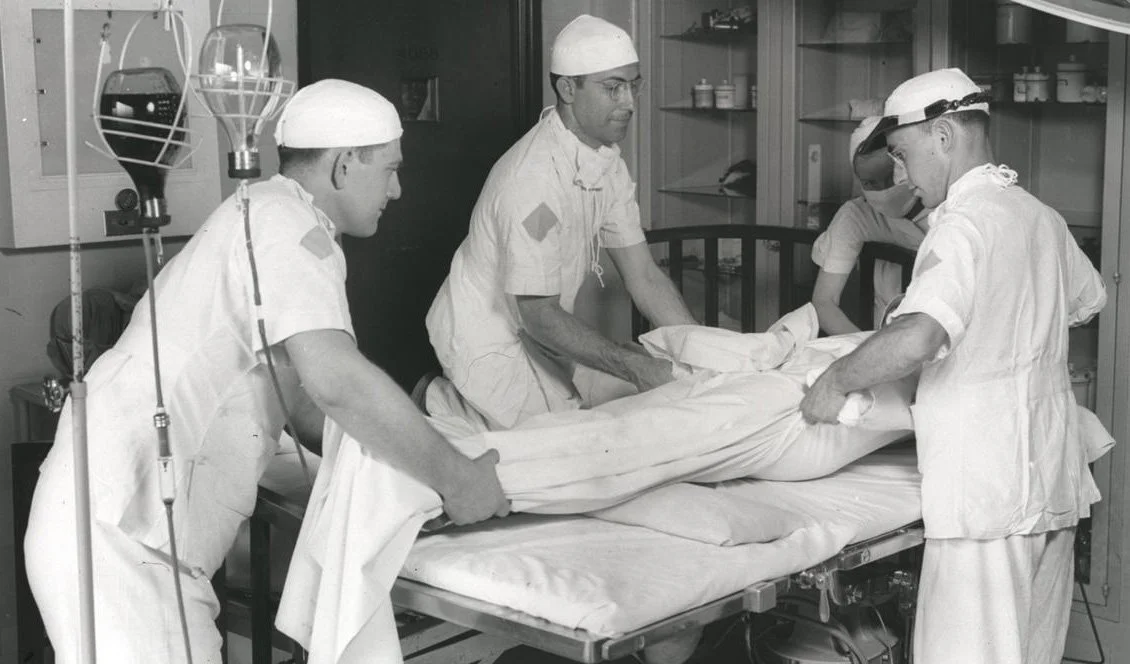
The Duke University’s General Hospital provided medical support to allied troops during World War II. Dr. Charles F. Boss, Jr., of the Commission on World Peace of the Methodist Church, was influential in creating the Civilian Public Service unit at the hospital. Above: Image source: Duke University
Links: