
Historic Quaker Houses of Bucks County, PA
The Kenderdine Farm
Home of Artist Daniel Garber
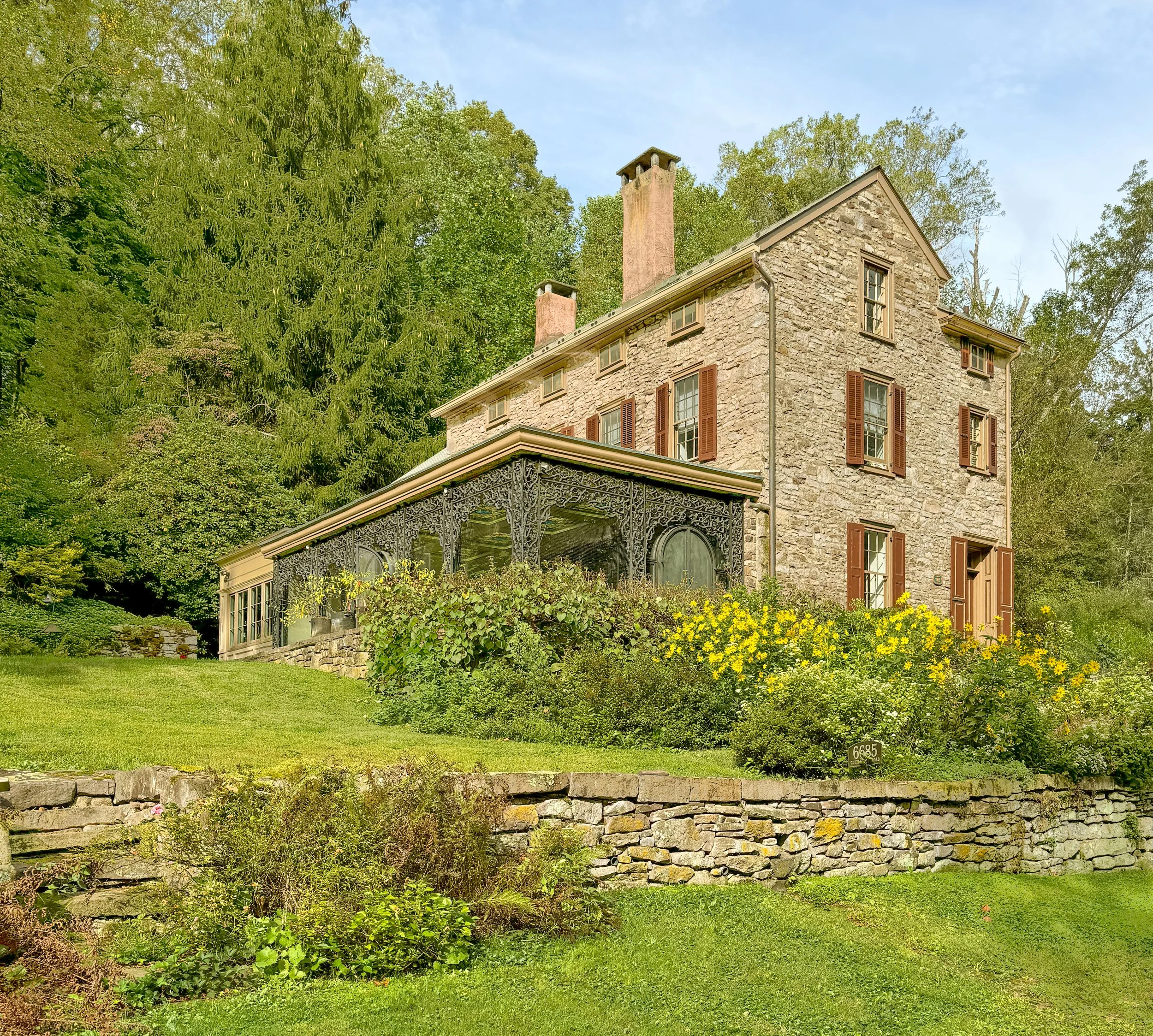
Above: Artist Daniel Garber and his wife Mary Franklin Garber acquired this Kenderdine farm in 1907 and made it their home. Daniel Garber established his studio here and continued to paint on the site for the rest of his life. He went on to play a leading role in the New Hope art colony and among the Pennsylvania Impressionists. The ornate porch reflects a degree of artistic interpretation that heightens the drama of the house. Image source: Lee J. Stoltzfus.
The Farmhouse in 1874
Home of the Kenderdine Family:
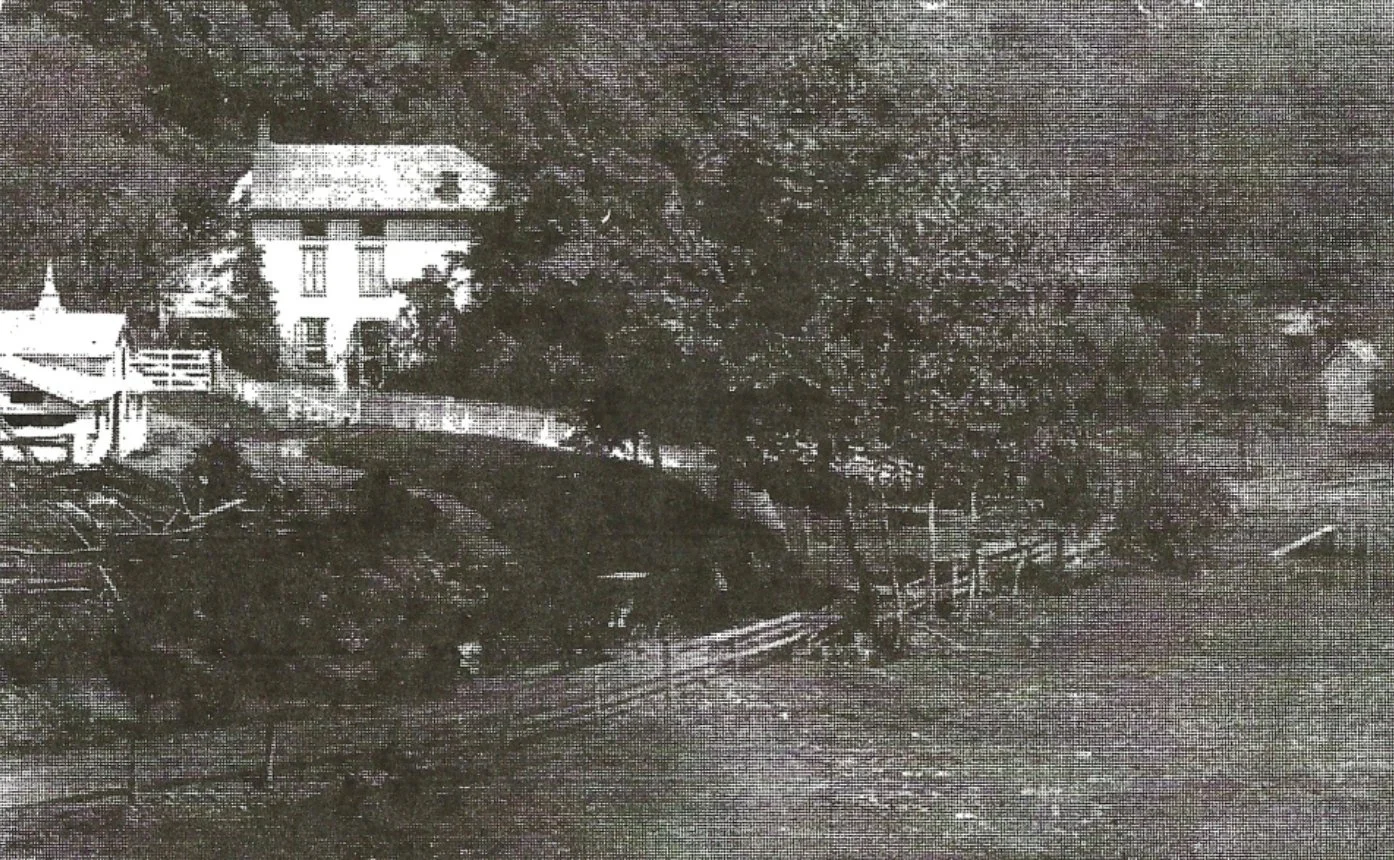
Above: This 1874 photograph shows the house when it was the home of Quaker farmer and businessman Watson Kenderdine and Hannah Preston Kenderdine. Image source: SoleburyHistory.org.
The Kenderdine family owned numerous businesses near here for many years, including milling and lumbering. Watson Kenderdine was a writer and poet, and he was a prominent member of the Solebury Farmers Club.
The Artist Daniel Garber
A Master of the New Hope Art Colony:
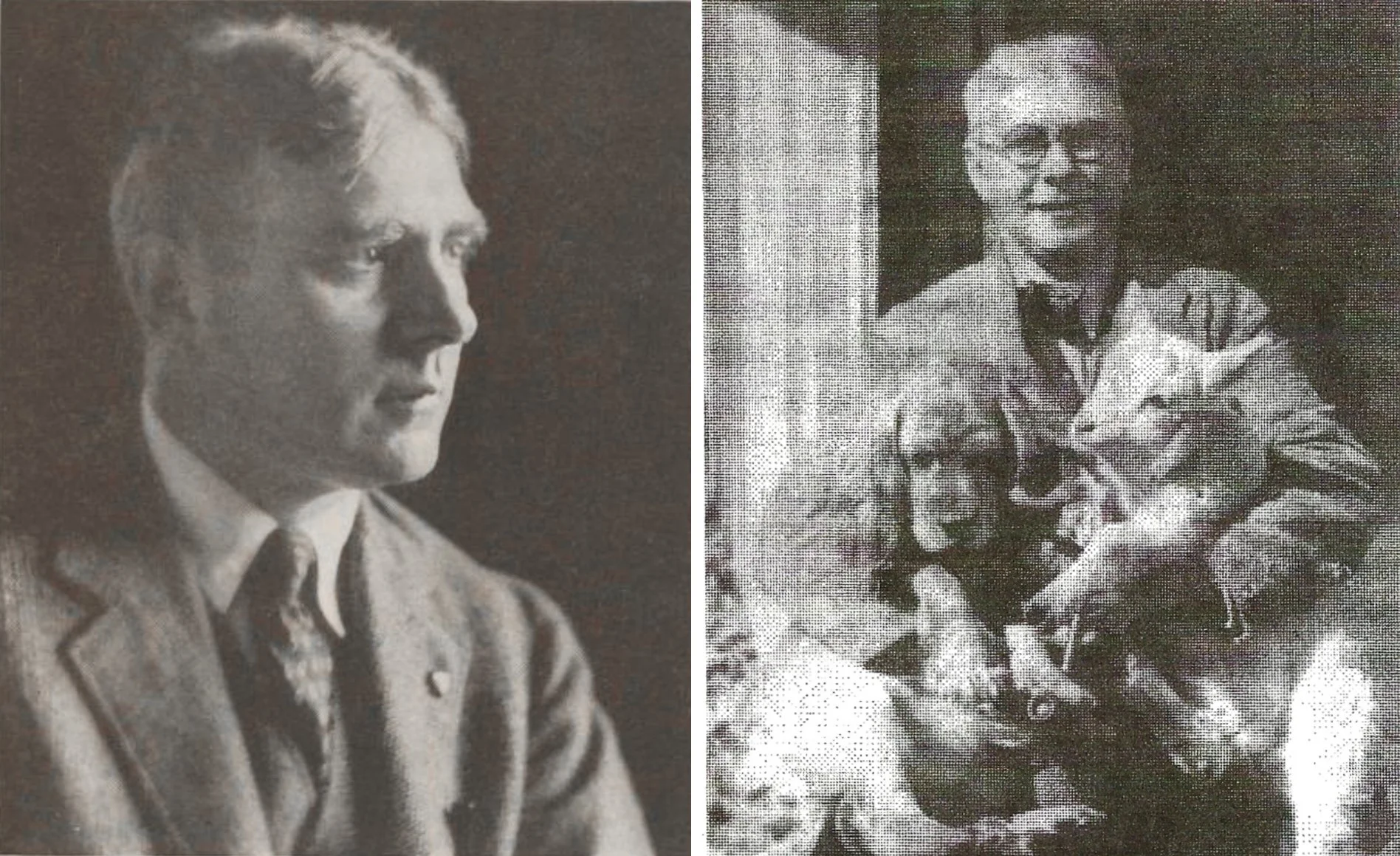
Above: Image sources: Left: Recent Paintings of Daniel Garber, 1931, The Macbeth Gallery, N.Y., Internet Archive
Right: Cuttalossa, George and Libby Duval.
Daniel Garber (1880–1958) was a central pillar of the New Hope art colony in the early 20th century. Garber’s atmospheric paintings of Bucks County’s landscapes celebrate the timeless appeal of these peaceful places.
Landscape at the Garber Home:
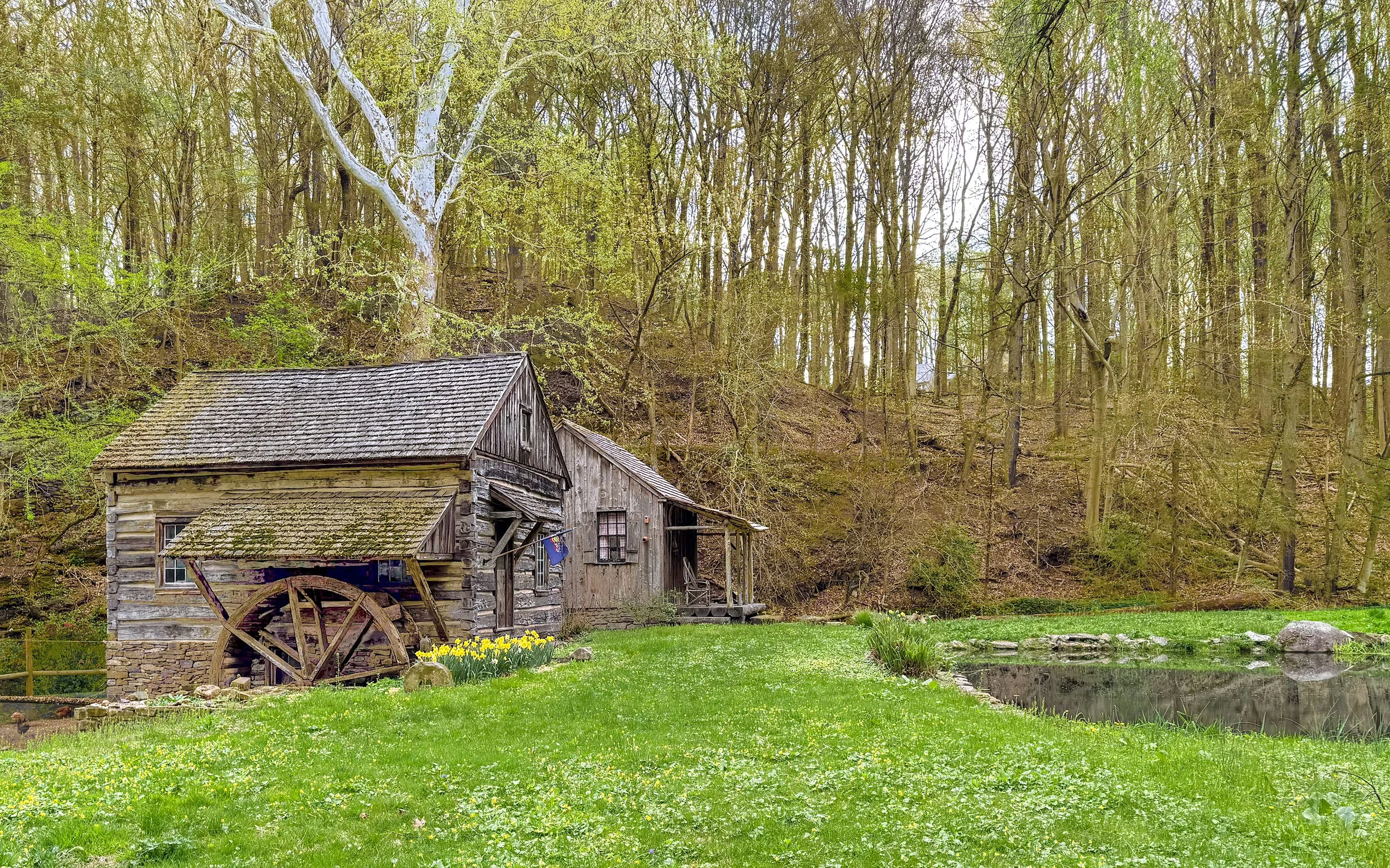
Daniel Garber named his farm Cuttalossa Farm, for the creek that flows through this valley. Picturesque buildings with a waterwheel pose by a willow tree at the farm, as if waiting to be photographed again by the many visitors who admire this landmark farm. Image source: Lee J. Stoltzfus.
Daniel Garber’s $1.1 Million Painting
A Record Price for Pennsylvania Impressionism:
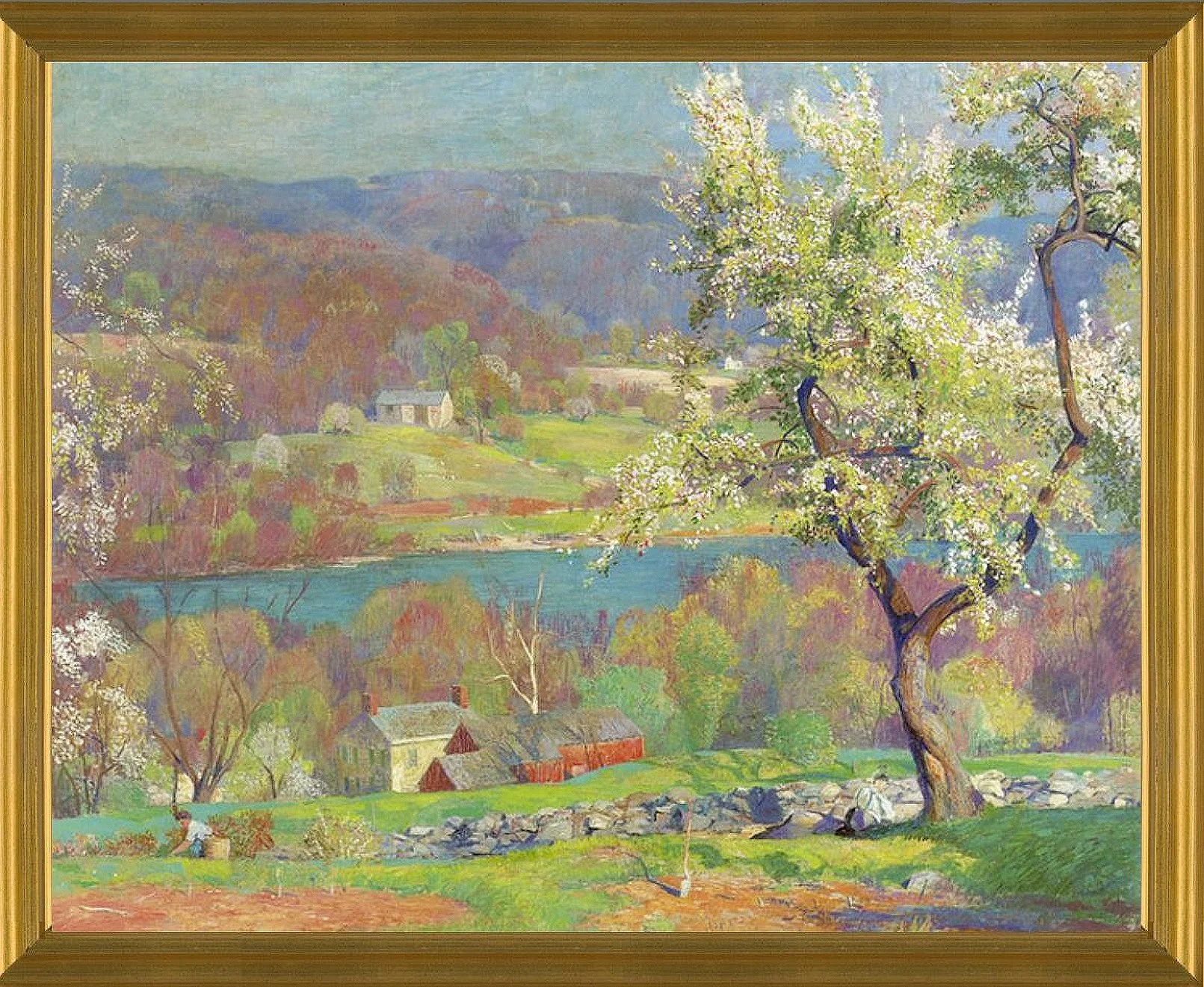
Daniel Garber painted this Delaware River landscape in 1937. This painting, Byram Hills, Springtime, sold for $1.1 million at Sotheby’s in 2003, a record auction price for a work associated with Pennsylvania Impressionism. Image source: Sotheby’s
In this painting, Garber leads the viewer’s eye to a stone barn across the river. Perhaps that picturesque farm on that hillside reminded him of the farm where he grew up near North Manchester, Indiana.
Historical Marker - House Built ca. 1799:
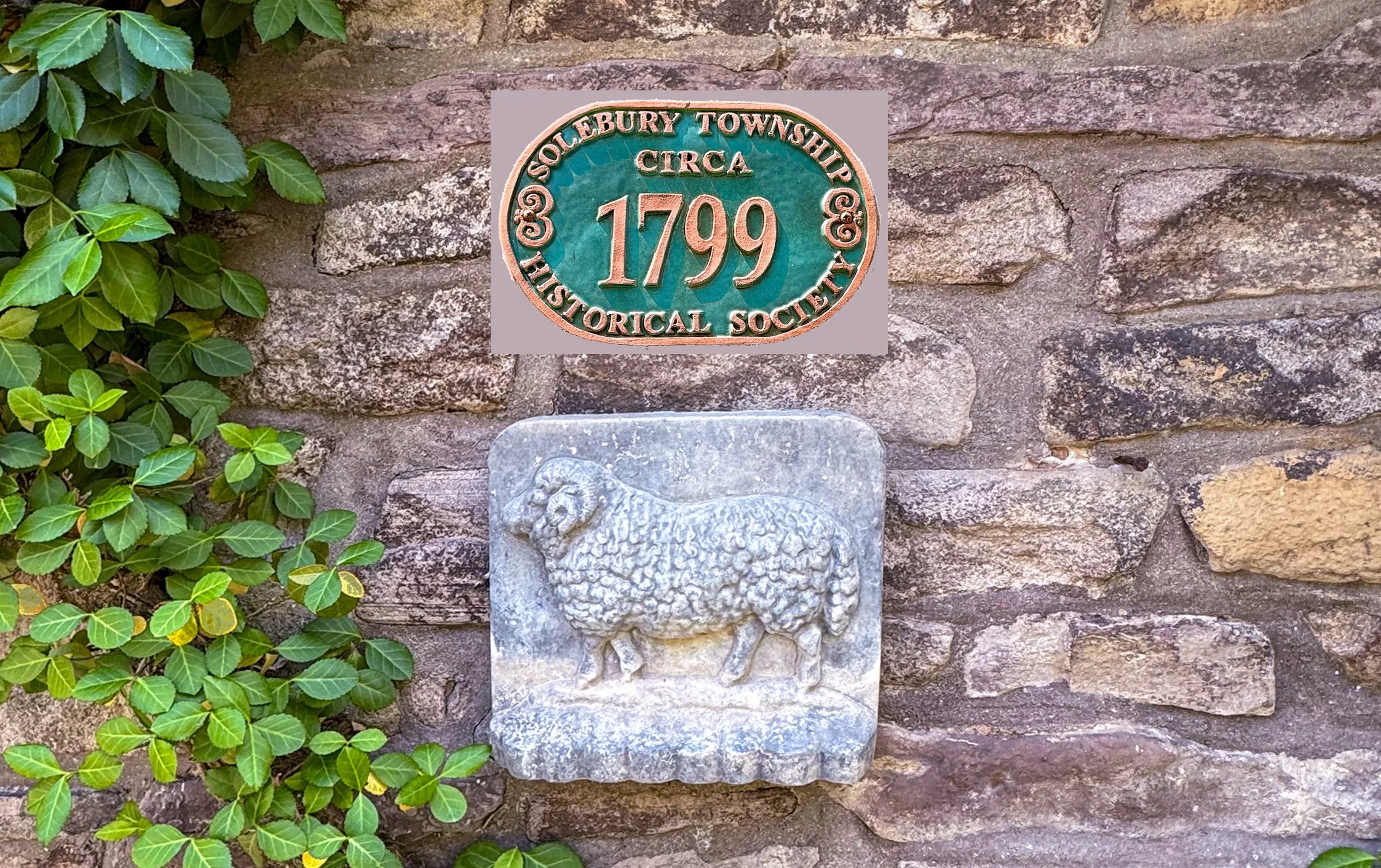
Above: A historical marker on the Garber house provides a construction date of ca. 1799. The house is constructed of Stockton Sandstone, which is the bedrock here beneath the Garber sheep farm. Image source: Lee J. Stoltzfus.
Daniel Garber’s Parents & Ancestry:
German Baptist Brethren
(Dunkard / Church of the Brethren)
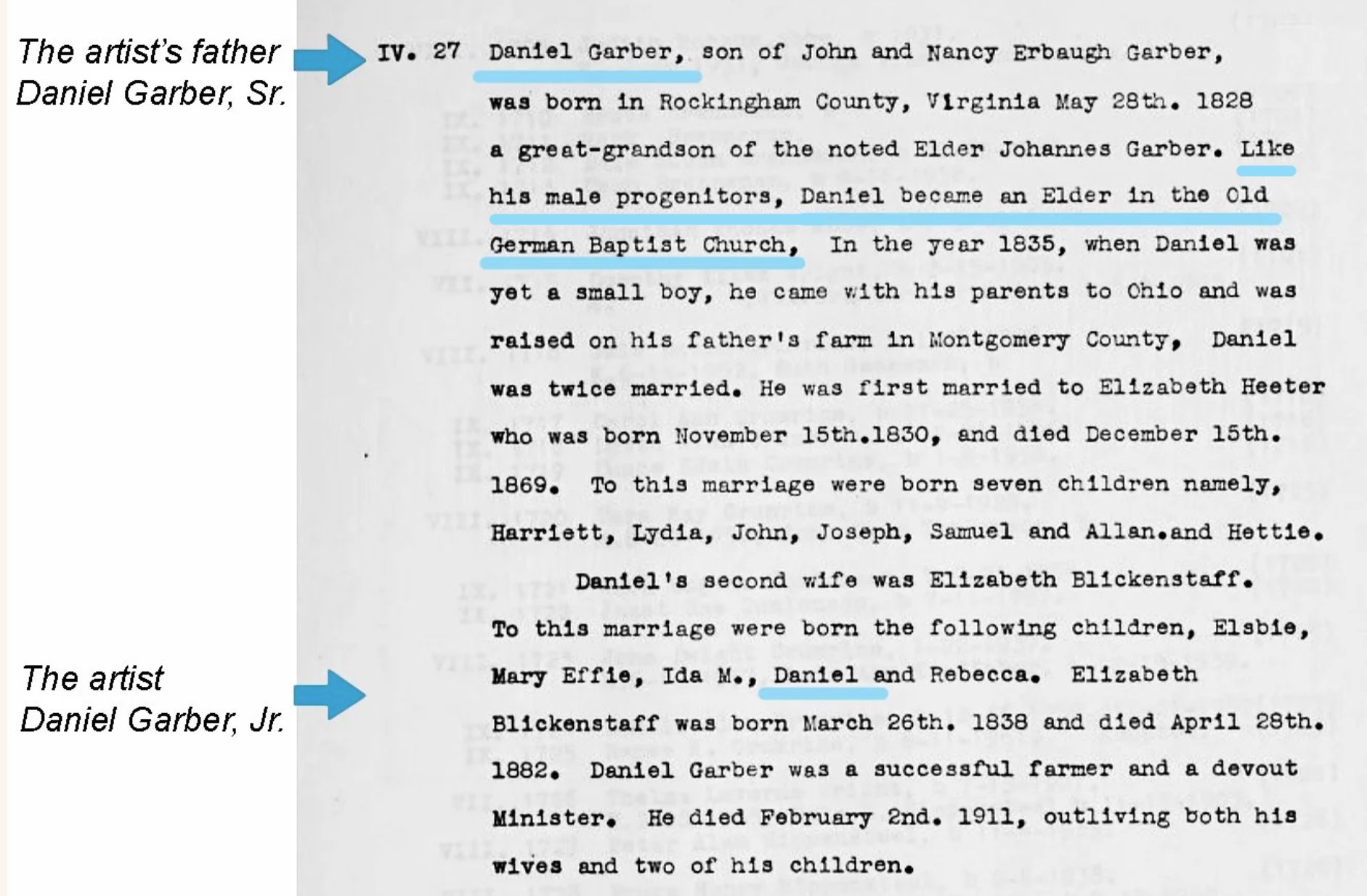
Above: Text image source: The Garber Historical and Genealogical Record, Clark M. Garber, 1964, Internet Archive
Daniel Garber was an Indiana farm boy who left his family’s Midwest cornfields to pursue his dream of being an artist. Unfortunately, his biographers have published conflicting information about his family’s religious background.
Some historians have incorrectly identified Garber’s ancestry as Mennonite. But Daniel Garber grew up in a family that had deep roots in the German Baptist Brethren tradition. This group was not Mennonite, although those denominations are like historical Anabaptist cousins. Garber’s Brethren church has also been known as “Dunkard.” The present-day Church of the Brethren is a direct descendant of that heritage.
Family Tree of Daniel Garber:
Four Generations of Elders
in the German Baptist Brethren Church:
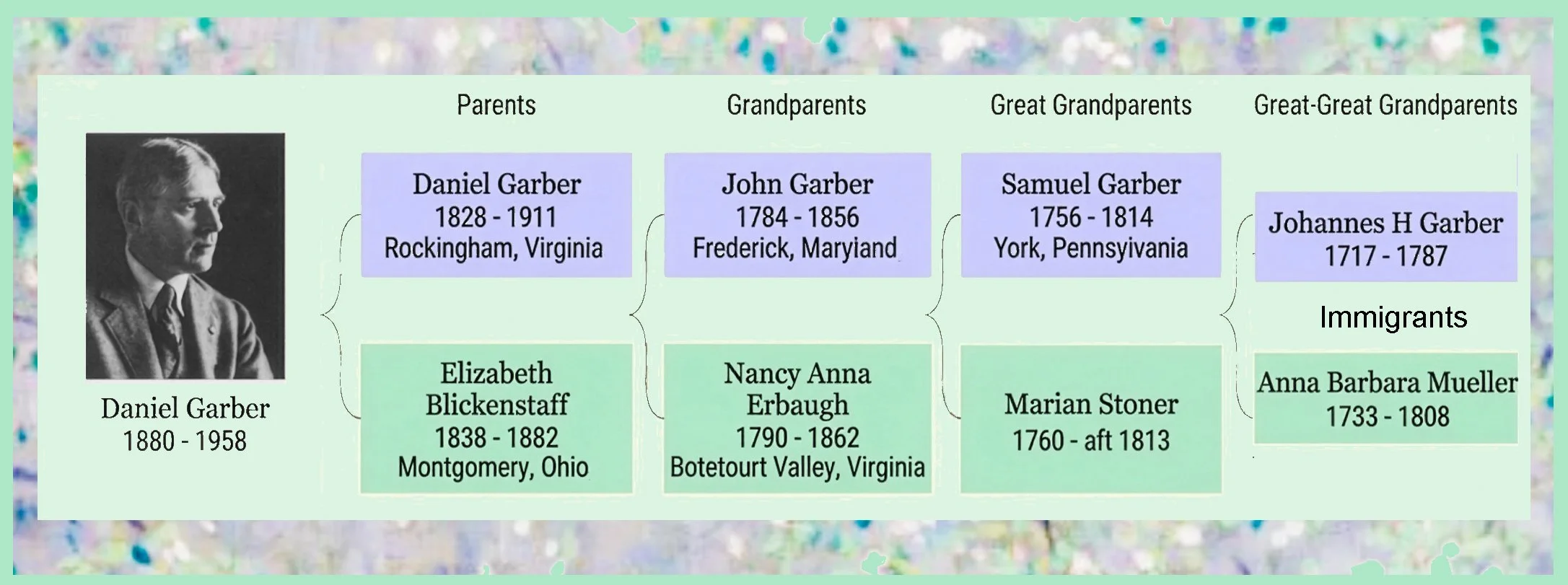
Daniel Garber’s immigrant ancestor Johannes H. Garber was a pioneer minister of the Church of the Brethren in the Shenandoah Valley, Virginia. All four generations of Daniel Garber’s family-tree branch shown above were elders of the German Baptist Brethren Church. His father was a farmer and minister with that group.
Brethren and Quaker Aesthetics
Simplicity of Plain Design:
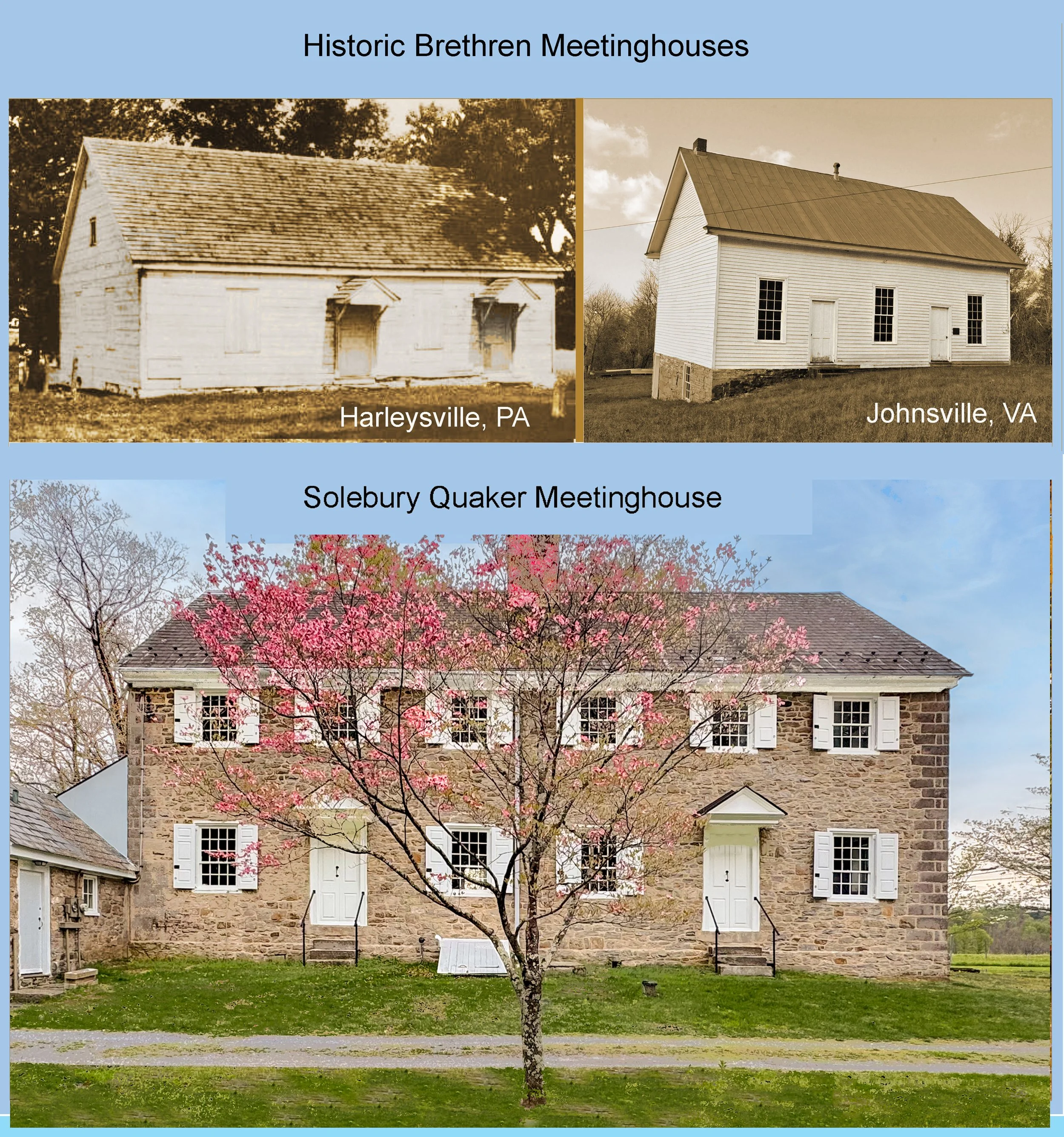
Above: Image sources: Harleysville: Brethren Encyclopedia, Internet Archive, Johnsville: Wikipedia, Solebury: Lee J. Stoltzfus.
Historic Brethren meetinghouses often share a minimalist aesthetic with Quaker meetinghouses. The Brethren, Quakers, and Mennonites are historic Peace Churches. These churches are anti-war and are pro-social justice. Garber’s Brethren DNA easily identified with rural Quaker ideals of Bucks County, where historic Quaker farms and meetinghouses are focal points throughout the landscape.
It was easy for Daniel Garber to feel at home here at his Quaker farmstead. As an adult he was not a church member. But he chose to be buried here at the Solebury Quaker meetinghouse near New Hope. Several other prominent artists of the New Hope art colony also chose to be buried here at this quiet Quaker graveyard, including William Lathrop and Edward Redfield.
This area’s mellow Quaker aesthetic provided a visual safe haven for the artists who celebrated these peaceable New Hope landscapes in their impressionistic paintings.
The Road near the Garber House:
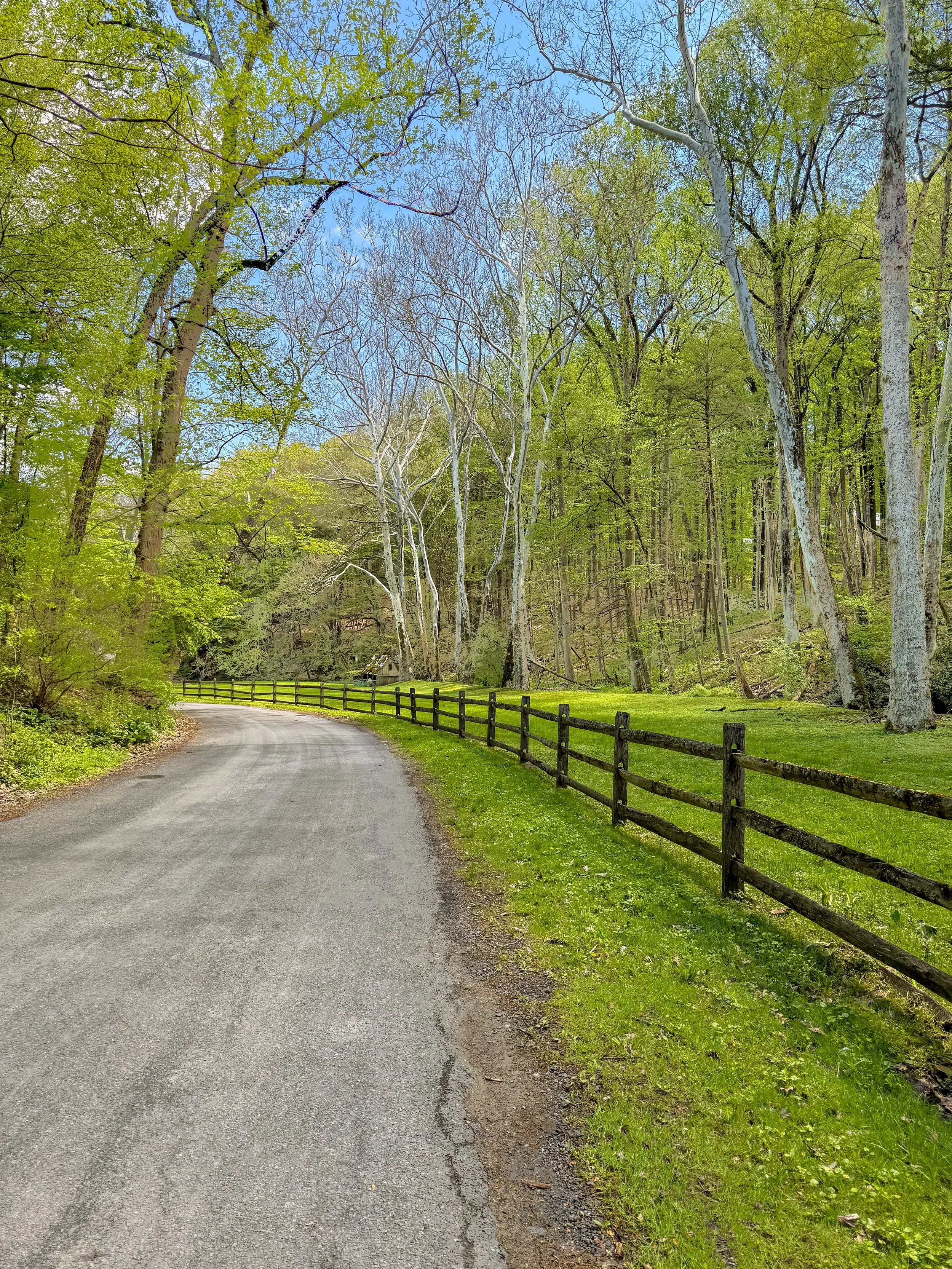
Above: Sycamores in the meadow at the Garber House. Image source: Lee J. Stoltzfus.
Cuttalossa Farm Painting by J. C. Turner:
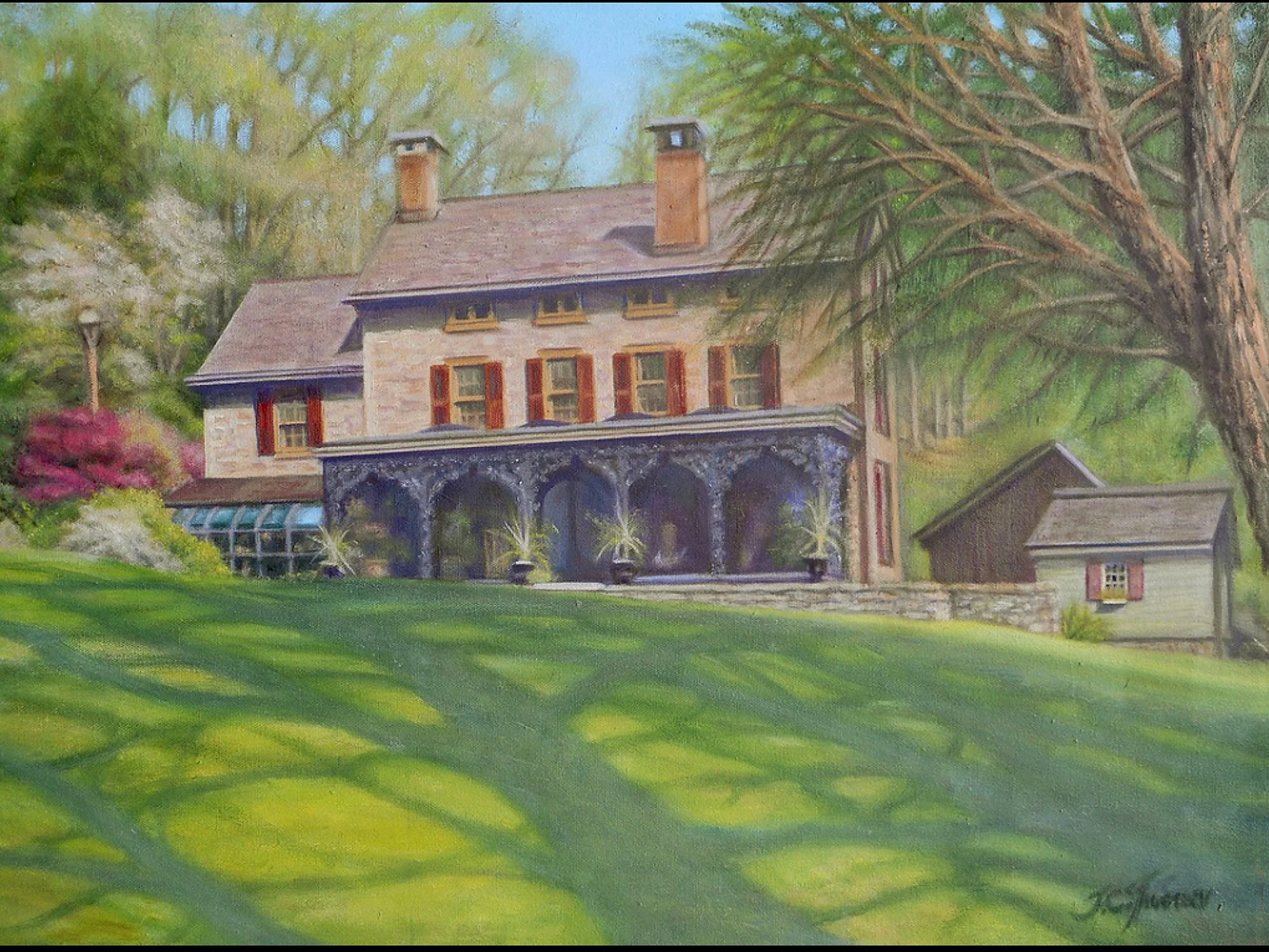
Above: Daniel Garber’s Home at Cuttalossa, by J. C. Turner. Image source: Upstairs Gallery of Bucks County.
Links: